
Welcome to One month Meditation and Kundalini Retreat
You are welcomed in this exotic place on the lap of calm hill of Nagarjuna inside beautiful Kathmandu valley, an ancient wisdom is whispered by the sacred Himalayas and filled with an intangible quality of spiritual energy. Nepal meditation home provides an extremely wholesome environment for deep internal transformation and yogic learning. The retreat is structured to match the individual seeker serious enough to engage in the deep practice of the ancient Kundalini yoga in Nepal.
Nepal Meditation Home, the leading destination for a transformative Kundalini yoga retreat in Nepal. Nestled in the peaceful foothills of the Himalayas, our one-month Kundalini program offers a sacred space to awaken your inner energy, expand consciousness, and experience deep spiritual renewal. This retreat is designed for sincere seekers who want to explore the full depth of Kundalini science through meditation, pranayama, mantra, chakra work, and ancient yogic disciplines.
During this one-month journey, you will be guided step-by-step through traditional practices that activate, purify, and balance the body’s subtle energy channels. The retreat includes daily Kundalini kriyas, pranayama, Asana, meditation, bandha and mudra training, and sacred mantra chanting. These authentic techniques help open the energetic pathways, strengthen your awareness, and prepare the mind for higher states of meditation. As one of the most comprehensive programs available, our Kundalini yoga retreat in Nepal integrates both ancient wisdom and practical tools suited for modern life.
Nepal Meditation Home provides a serene environment, experienced teachers, vegetarian yogic meals, and supportive spiritual guidance so that every participant feels safe, inspired, and uplifted throughout the entire month. Whether you are a beginner or an advanced practitioner, this retreat offers a powerful opportunity to deepen your practice, heal emotional blocks, and reconnect with your true spiritual essence. If you are seeking a life-changing Kundalini yoga retreat in Nepal, Nepal Meditation Home welcomes you with an open heart and a sacred intention to help you grow, transform, and awaken your highest inner potential. Nepal Meditation Home is not an institution but a place of transformation, warm community.
Why meditation and kundalini yoga retreat is important in modern time? 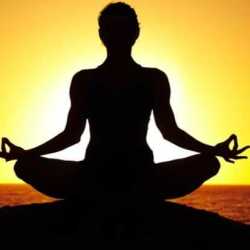
In today’s modern world, life has become overwhelmingly fast, demanding, and overstimulated. Most people live with constant stress, anxiety, anger, nervousness, and emotional overload, often without even realizing it. These days, “stress” and “anxiety” have become common words because almost everyone struggles with them in some form. A meditation and Kundalini yoga retreat offers a powerful solution by helping us rise above this turbulence.
Through deep breathing practices, mindful awareness, and energy-based techniques, the body activates the parasympathetic nervous system, allowing stress to dissolve naturally. As cortisol levels drop, the mind settles into a calm, focused, and joyful state – something rarely experienced in today’s overstimulated lifestyle.
A dedicated retreat also gives us the opportunity to journey inward, beyond the noise and confusion of daily life. Meditation and Yoga Nidra cultivate mindfulness, inner silence, and self-awareness, while Kundalini yoga awakens the dormant spiritual energy within. This inner awakening expands perception, bringing clarity, emotional balance, and a deeper understanding of oneself. As old mental patterns dissolve, a sense of freedom and transformation begins to blossom from within.
Modern living also brings physical challenges – sedentary work, long screen time, poor posture, and chronic fatigue. Excessive online engagement drains both physical and subtle energy. Kundalini techniques and pranayama help cleanse the Nadis (energy channels), restore vitality, and rejuvenate the nervous system. Conscious yogic movements realign the body and harmonize the flow of prana.
Together, meditation and Kundalini yoga create a balanced body–mind system, enhancing overall well-being, energy, creativity, and mental resilience. In this way, a meditation and Kundalini yoga retreat is not a luxury—it is a necessity for modern humanity. It is a complete reset for the nervous system, an upgrade for mental clarity, and a profound reconnection with the deepest essence of who we truly are.
What will you learn?
The kundalini retreat comprises entering into the fine details of theoretical and practical lessons on classical techniques of breathing to conquer and harness life force. Meditation which takes to silence as well as awareness and yoga Nidra or ancient conscious relaxation arts that take one towards deeper healing and self- discovery. The teaching of Classical Kundalini Yoga is for awakening and balancing the inner energy centers or chakras using asana, pranayama, mantra, mudra, and bandha with particular attention to working with safety in mind.
Learn perfect combination of pranayama, meditation, yoga Nidra and kundalini yoga in Nepal
To make the complete and transcendental experience of yoga in totality; these practices are integrated within one month meditation and kundalini yoga retreat. Consisting of pranayama, meditation, yoga Nidra and kundalini yoga, these four folds thus significantly root inner awareness and holistic well-being.
Nepal Meditation Home is the ideal destination for anyone seeking kundalini yoga retreat in Nepal, a deeper spiritual experience and authentic yogic training in holistic approach of learning. In this one month kundalini yoga retreat in Nepal you can learn the perfect combination of pranayama, meditation, Yoga Nidra, and Kundalini yoga, all guided by experienced teachers rooted in ancient yogic traditions. This unique blend of practices helps purify the body, calm the mind, and awaken your inner potential.
In kundalini yoga retreat, the combination of pranayama and meditation forms the foundation of this transformative experience. Pranayama purifies the Nadis (energy channels) and increases prana flow, preparing the mind for deep stillness. Meditation then guides you into clarity, awareness, and a centered state of consciousness. Yoga Nidra complements these practices by bringing deep relaxation and healing at physical, mental, and emotional levels. It resets your nervous system, dissolves deep-rooted tension, and restores inner harmony, allowing your mind to enter a state of profound rest rarely experienced in everyday life.
Kundalini yoga retreat further elevates your journey by awakening the dormant spiritual energy that lies within each person. Through specific kriyas, mantras, breathwork, and bandhas, the energy begins to rise, expanding your awareness and unlocking higher levels of intuition, creativity, and inner strength. Learning all these practices together in Nepal ensures a complete spiritual experience—balancing the body, energizing the mind, and uplifting the soul. It is the perfect path for anyone seeking growth, healing, and true transformation in one of the most sacred spiritual destinations on earth.
You will learn following meditation
-
Breathing Meditation: You focus on the natural rhythm of your breath. It calms the nervous system and quiets mental chatter. This practice builds mindfulness and inner balance.
-
Mindfulness Meditation: You observe thoughts, sensations, and emotions without reacting. It trains present-moment awareness and reduces stress. Mindfulness increases clarity and emotional stability.
-
Vipassana Meditation: You deeply observe the impermanent nature of all experiences. This develops wisdom, detachment, and insight into reality. It helps dissolve craving, aversion, and ignorance.
-
Loving-Kindness (Metta) Meditation: You send compassion and goodwill to yourself and others. It softens the heart and reduces anger, hatred, and fear. Metta strengthens emotional well-being and inner peace.
-
Mantra Meditation: You repeat a sacred word or sound to focus the mind. The vibration purifies thoughts and deepens concentration. Mantras uplift your energy and dissolve distractions.
-
Chakra Meditation: You focus on the seven main energy centers of the body. This balances energy flow and removes emotional blockages. Chakra meditation enhances vitality and inner harmony.
-
Kundalini Meditation: You awaken the dormant spiritual energy at the spine. Breathwork, mantra, and movement stimulate energetic awakening. It increases intuition, creativity, and consciousness.
-
Body-Scan Meditation: You move awareness slowly through each part of the body. It releases physical tension and increases somatic awareness. This meditation improves relaxation and mind-body connection.
-
Omkar Meditation: You silently repeat a omkar mantra. The mind settles into a state of pure awareness. It reduces stress and increases clarity and creativity.
-
Walking Meditation: You synchronize breath with slow, mindful steps. Movement becomes a form of awareness and grounding. It brings meditation into everyday activity.
-
Dynamic Meditation: It combines breathing, movement, sound, and stillness. The body releases stored tension and emotional blocks. After expression comes deep silence and clarity.
-
Yoga Nidra (Yogic Sleep): A guided relaxation takes you into deep subconscious rest. It heals stress, trauma, and emotional fatigue. You emerge refreshed, peaceful, and restored.
-
Trataka (Candle-Gazing) Meditation: You gaze steadily at a candle flame without blinking. It sharpens concentration and stabilizes the mind. This practice strengthens the third eye and mental clarity.
-
Sound Meditation (Singing Bowl): You immerse yourself in healing vibrations and frequencies. Sound waves calm the mind and relax the body deeply. It balances chakras and harmonizes subtle energies.
-
Ajapa Japa Meditation: You mentally repeat the natural mantra “So-Ham” with the breath. It aligns breath, mind, and prana into one flow. Over time, the mantra continues automatically.
-
Here-and-Now Meditation: You focus on immediate experience—sounds, breath, sensations. It breaks overthinking and anchors you in presence. Helps cultivate freedom from past and future tension.
-
Visualization Meditation: You create uplifting images like light, nature, or healing energy. The mind becomes focused, positive, and empowered. This enhances creativity, confidence, and emotional balance.
-
Silence Meditation: You experience the head as open, empty, and spacious. This dissolves ego boundaries and expands consciousness. A sense of unity and vast awareness arises.
-
Cyclic Meditation: You move awareness in a circular flow through the body. Observing changing sensations reveals impermanence. It improves energy flow and deepens insight.
Breathwork or Pranayama
Breath science encompasses how the body and mind breath, integrating everything from the yogic notion of pranayama to the newest discoveries in respiratory physiology. It becomes affected by the influx of oxygen; rather, it stands between two conditions an amalgam between consciousness and the unconscious. Each zenith and bowl of breath within you touches upon the autonomic nervous system, evoking either sympathetic (fight or flight) or parasympathetic (rest and digest) functions. While the stress response occurs with shallow or rapid breathing deep slow breath trigger parasympathetic activation that calms the mind, decrease blood pressure and enhance clarity and emotional balance.
Breath retention or kumbhaka
Patanjali’s yoga refers to holding breath as Vishama Kumbhaka. Pranayama is interpreted as Antar Kumbhak when inhalation and keeping breath are involved, while external inhalation is called Bahya Kumbhak. This practice refers to bringing an individual into the stillness and concentration of one’s mind other than a physical exertion. Breath is held for the moment so that prana or life force energy is slowed down in its workings; thus, through breath retention prana starts to settle and increases intensity in the system.
It clears the mind and energizes, making it easier for one to go deep into meditation. Kumbhak in physiological terms provides maximum oxygen utility while keeping blood pressure balanced, calming the nervous system if performed with the right mind. It may be described as space in between thought and silence for the spirit, permitting a long stretch of deep internal reflection. Nevertheless, it could be a high rise in conscious awareness and self-governance through proper supervision of breath retention with all possibilities of danger management.
Breath awareness and mindfulness
Breath Awareness merges the practice of Mindfulness; however, both diverged along a different plane in terms of their ranges and focus. Breath awareness simply means a watching of the breath-how does it differ from another? how deep is it? how does it move? without having to change this observation. Breath awareness marks the anchoring of attention to the event made possible by inhalation and exhalation-an event in itself that makes manifest an expression of one’s natural rhythm.
Most of the time this is, in fact, the initial exercise in meditation for building concentration and calm. Mindfulness is so much beyond repetition: it is nonjudgmental awareness of everything at the moment in a person’s or individual’s existence-the thoughts, feelings, and sensations-the environment.
Breath awareness may be something that may eventually be developed into something much finer called mindfulness. However, it is not all of mindfulness. Mindfulness is beyond breathing and could actually be brought to bear on many of the other facets of conscious experience. Eating, walking-even listening; we surrendered ourselves to the activity and remained aware-without reactivity or distraction. Breath awareness is highly specific to a single kind of practice or method, while mindfulness is the broad general state-influenced development. Entering into mindfulness generally would be done through the breath-the stable, ever-present phenomenon to observe.
Main pranayama that you are going to learn
-
Nadi Shodhana (Alternate Nostril Breathing): Balances Ida–Pingala, calms the mind, purifies energy channels.
-
Anulom Vilom: Gentle version of alternate breathing; increases clarity and reduces anxiety.
-
Kapalabhati (Skull-Shining Breath): Forceful exhalations cleanse lungs, energize mind, and activate the solar plexus.
-
Bhastrika (Bellows Breath): Powerful inhalation & exhalation that boosts vitality and removes lethargy.
-
Ujjayi Pranayama (Victorious Breath): Soft throat contraction; builds heat, increases focus, enhances prana flow.
-
Sheetali (Cooling Breath): Rolled tongue inhalation cools the system, lowers anger and heat in the body.
-
Sheetkari (Hissing Cooling Breath): Teeth-breath cooling technique helpful for high Pitta, stress, and overheating.
-
Bhramari (Humming Bee Breath): Humming exhalation vibrates the brain, calms emotions, helps insomnia.
-
Surya Bhedana (Right-Nostril Breathing): Activates Pingala Nadi; increases energy, heat, digestive power.
-
Chandra Bhedana (Left-Nostril Breathing): Activates Ida Nadi; increases calmness, cools mind, helps anxiety.
-
Samavritti (Box Breathing): Equal inhale–hold–exhale–hold; builds concentration and nervous system stability.
-
Visamavritti (Unequal Ratio Breath): Longer exhalation calms the parasympathetic system; reduces stress.
-
Viloma Pranayama (Interrupted Breath): Step-by-step inhalation or exhalation; improves lung capacity and control.
-
Agni Sara (Fire Essence Breath): Rapid abdominal pumping; stimulates digestion and energizes the core.
-
Bahya Pranayama with Bandhas: Full exhale followed by Mula Bandha + Uddiyana Bandha + Jalandhara Bandha; awakens Kundalini, intensifies prana.
-
Uddiyana Bandha Kriya: Vacuum lock by pulling abdomen inward; powerful for energy rising and detoxification.
-
Mula Bandha Breathing: Root lock with slow breathing; stabilizes prana and awakens the pelvic energy center.
-
Jalandhara Bandha Breathing (Throat Lock): Chin lock while holding breath; regulates energy upward and protects the heart.
-
Kevala Kumbhaka (Spontaneous Breath Retention): Natural suspension of breath during deep meditation; leads to profound stillness.
-
Full Yogic Breath: Three-part inhale (belly–rib–chest) and slow exhale; harmonizes body, mind, and prana.
Fundamentals of Yoga Nidra
Yoga Nidra serves as a very deep meditation for complete relaxation with consciousness. It vibrates between wakeful awareness, where the body enters further states of relaxation and awareness, while the mind remains alert. The assistance of an instructor is highly desirable, with guided instructions leading to relaxation of the entire body through consciously focusing or diverting attention to sensations, it may be the breath or visualization.
The main aim of Yoga Nidra is regenerating sleep for the practitioner with healing produced to some degree in the physical, mental, and emotional planes. In the initial stage of Yogic Nidra, an intention or Sankalpa is a positive statement the subject wants to manifest in his/her life. Upon an expression of this intention, the subjects are led to attend focused attention on bodily sensations that exhibit mindful observation, release of tensions, and deepening of relaxation.
Yoga Nidra, in general, goes through four major steps of relaxation, namely, physical, emotional, mental, and transcendental. When healing begins in the body with relaxation of the body in a myriad of conscious ways and levels of the mind, it continues with integration into the mind and spirit. This unwinding leads to changes in the nervous system: balancing, improvement of sleep, stress relief, and stabilization of emotions.
Stages of Yoga Nidra practices
Yoga Nidra is a meditative practice. The workflows are set in different stages. They are systematically arranged to induce relaxation of the body and silencing of an overactive mind. At different times, you engage in body scan, awareness of breath, and visualization-a-gateway to more relaxation and awareness.
-
Preparation (Settling Body and Mind): The practitioner is in Shavasana (corpse pose) with physical relaxation and tranquility. Eyes are slowly closed and the body placed in balanced symmetry. Outer distractions are minimized to allow attention to turn inward. The teacher provokes initial relaxation, opening up a relaxed receptive inner space.
-
Sankalpa (Resolve or Intention): A positive, brief affirmation or intention is silently repeated three times with full awareness. This is called the Sankalpa, which is a seed planted in the subconscious mind. It is usually associated with personal change, healing, or spiritual growth. The Yoga Nidra mind is very receptive, so this stage is very effective for transformation.
-
Rotation of Consciousness (Body Scan): Awareness is guided through the whole body in a set pattern. The practitioner becomes aware in the mind, calling to mind each body part (e.g., right-hand thumb → fingers → arm → shoulder, etc.). No effort is required—just awareness. This induces deep physical relaxation and facilitates drawing senses (pratyahara) in from outer experience.
-
Awareness of Breath: Mind is now established in natural breathing—its rhythm, movement, and feeling. The breath is observed to rise and fall without seeking to modify it. Breath has been counted or is visualized in actual movement through parts of the body (e.g., nostrils or spine) occasionally. This stage relaxes the mind, balances prana (life force), and increases mental peace.
-
Sensation and opposite experience: Certain practices involve noticing physical or emotional sensations, e.g., heaviness/lightness, heat/cold, or pain/pleasure. Perception of opposites without reaction leads to emotional balance and detachment. This prepares the practitioner for a deeper psychological cleansing.
-
Visualization: The teacher shows a series of images, symbols, or scenarios (e.g., ocean waves, fire flame, a temple). These images appeal to the subconscious mind and provide for the deletion of deeply held impressions (samskaras). This stage provides for higher creativity, intuition, and mental healing.
-
Chakra Consciousness: Consciousness is given to the seven major body chakras. Each of these chakras is visualized with a specific color, sound (mantra), or sensation. This phase purifies and energizes the centers, resulting in spiritual enlightenment and harmony within.
-
Repeating Sankalpa: The initial Sankalpa (choice) is once more repeated with full concentration. The mind is now calm, deep, receptive, and thus the Sankalpa becomes firmer. It is stated to make an impression on the subconscious and guide subsequent thoughts and actions.
-
Externalization (Return to Waking State): The patient is slowly awakened to full consciousness. Instructions may be to become sensitive to the world outside, the body, and breath. Slow movement of fingers and toes may be added. Gradually the eyes are slowly opened slowly, and the session is ended in lucidity, relaxation, and renewal.
Difference between Yoga Nidra and Sleep
While Yoga Nidra and sleep might look alike – in that both involve getting comfortable and relaxing – the two differ substantially in terms of awareness, benefits, and purpose. Sleep is an unconscious and automatic biological process that helps the body repair and recover. It is equally important for survival. During the process, one’s surroundings, along with one’s internal environment, are completely shut off which means there is no awareness, especially in the deep phases.
Compared to sleeping, Yoga Nidra is a state of semi consciousness induced guided relaxation. One’s awareness and breathing work divergently in the hypnagogic state, which is between waking and sleeping. This state, or the in-between, allows one’s mind to remain attentive while their body feels relaxation. Being aware opens up various outlets for exploration, and they make Yoga Nidra an extraordinary tool for healing. Unlike sleep which refreshes the body, Yoga Nidra diligently restrains the mind, allowing one to let go of emotional burdens, and through Sankalpa (the act of self-modification), change old habits.
While one hour of Yoga Nidra could be as restful as several hours of sleep, sparing one has Yoga Nidra does not act as an alternative. Rather, it ensures better mental sharpness, emotional stability, and spiritual development. Simply speaking, sleep rejuvenates the body whereas Yoga Nidra self-realization.
Chakra Activation – Practices to Awaken and Balance the 7 Chakras
Activation of the chakra is whole spiritual practice in kundalini yoga system. It’s a holistic science through certain specified practices awaken and balance the 7 chakras in body. The chakras are energy center through which the flow of prana take place from the base of the spinal column to the crown of the head. When chakras are balanced, one gets sound health physical and mental, vitality, and spiritual growth. To activate and balance 7 chakras, integrated yogic practices are to be undertaken postures asanas(posture), pranayama (breath technique), dhyana(meditation), mantra japa (reciting mantra), Kalpana(visualization), and consciousness in day-to-day living is utilized.
Mooladhara Chakra (Root Center): It is located at the lower back of the spine, on the end of tail bone. This chakra is related with all about survival, grounding, and stability of human life. Grounding yoga postures like Tadasana (Mountain Pose) Vrikshasana(Tree Pose) and Malasana (Garland Pose) activate the chakra. Connect to earth element by walking barefoot on the ground, belly breathing, and Chant seed mantra “Lam” to activate this chakra. Moolabandha and nasikagra dristi redirect the from the root chakra which aids to feel an individual is secured and stable in the ground.
Svadhisthana Chakra (Sacral Center): It is located in the lower abdomen two inches below the navel. This chakra is related with human creativity, emotion and pleasure. Some yoga pose that opens hip and bend back activate sacral chakra like Baddha Konasana (Butterfly Pose), Devi asana (Goddess pose), Ananda Balasaan(Blissful child pose), Paschimottanasan (Backs stretch pose), Bhujangasan (cobra pose), Upavistakonasan(seated wide legged pose), and practice of Ashwini mudra (Horse gesture), Vajroli mudra and sahajoli mudra helps to control sexual lust. The dynamic and rhythmical movements are said to awaken this chakra. The pranayamas like Nadi Shodhana (alternate nostril breathing) and chanting “Vam” are said to induce emotional balance and creativity.
Manipura Chakra (Solar Plexus): It is located just above the navel. This chakra is the center for will power, self-esteem and digestion. Some poses that energize and activate Manipura chakra are like Navasana (Boat Pose), Dhanurasana(Bow pose), Ardha-Matsyendrasana(Half Lord of the Fishe Pose) Adho-mukhasvanasana (Downward Dog Pose), Phalakasana(Plank pose), Vakrasana (Twisted Pose)and Vajrasana(Thunderbolt pose). Kapalbhati and Bhastrika pranayama as well as Agnisara kriya and Uddiyana bandha activates and stimulate digestive fire in Manipura chakra. Chanting “Ram” enhance self-esteem, mental energies, and willpower.
Anahata Chakra (Heart center): It is located in the middle of the chest. This chakra controls emotion, compassion, healing of the heart, and love. Chest-expanding postures like Ustrasana (Camel Pose), Setu Bandhasana(Bridge pose), Anahatasana(Heart Melting pose), Balasana(Child pose)and Bhujangasana (Cobra Pose) are excellent heart energizers. Bhramari pranayama with deep awareness in center of heart opens all doors of emotional blockages and chanting the sound “Yam” facilitate emotional receptiveness and forgivingness. Gratitude and good works also help balance the heart chakra.
Vishuddha Chakra (Throat center): It is located in the throat. This chakra controls expression and communication. Vipareet karni mudra (inverted gesture), Sarvangasana (Shoulderstand) and Lion’s Breath (Simhasana) energize the throat, Chakra. Jalandhara bandha (Throat lock), Khechari mudra (Tongue lock) and ujjayi pranayama stimulates the throat chakra. Chanting “Ham” sound or positive affirmations out loud may free this energy of fear of speaking and allow for honest expression. Singing, writing in a journal, or speaking the truth in everyday life nourishes this chakra.
Ajna Chakra (Third Eye center): It is located in between the eyebrows. This chakra bestows psychic power like intuition, telepathy and extra sensory perception. Some yoga asanas that help to activate and balance the Ajna Chakra are Balasana(Child’s Pose), Adho Mukha Svanasana (Downward-Facing Dog pose), (Adho Mukha Svanasana), Ardha Pincha Mayurasana(Dolphine pose), Paschimottanasana(Seated Forward Bend), Sirsasana (Headstand), Padmasana (Lotus Pose), Halasana (Plow Pose) and Savasana (Corpse Pose) Trataka kriya(Yogic gazing), Shambhavi mudra(eyebrow center gaze) Moorchha and Nadi Shodhana pranayama are the primary practices to activate third eye center. The chanting of mantra “Om” or “Aum” creates vibration to this chakra.
Sahasrara Chakra (Crown Center): It is located on the top of the head, it represents universal consciousness. This chakra can be activated by silent chanting of om. Certain yogic practices like nadi shodhana and moorchha pranayama can activate this chakra. Some yoga pose like sirsasana (headstand), padmasana(lotus pose) and balasana(child pose) help to activate the crown chakra.
Kundalini Awakening and Energy Flow – A Safe Technique to Raise Kundalini Gradually
Kundalini, traditionally said to be coiled cobra at the root of the spine, is dormant spiritual energy. Kundalini yoga retreat activation needs to be achieved with care and respect because involuntary or premature activation leads to imbalance of the mind and body. One safe method of activating Kundalini is through regular practice of pranayama (breath control), mantra, meditation, and asana. It begins with purification of the nadis—ida, pingala, and sushumna—using Nadi Shodhana (alternate nostril breathing), which balances the left and right streams of energy and prepares the middle channel for the ascending.
Following that are the application of Bandhas (energy locks), i.e., Mula Bandha (root lock) and Uddiyana Bandha (abdominal lock), which shut and thrust the energy upward. These are followed by calming spinal asanas like Bhujangasana (cobra pose), Setu Bandhasana (bridge pose), and Matsyasana (fish pose), opening the chakras and stimulating the spine. Mantras like “Om” or “So Hum” being chanted calm the mind and stabilize it on higher planes of vibration, readying the ground for Kundalini to rise. Regular meditation on breath and spine, especially at third eye and heart centers, polarizes the energy in the upward direction with the passage of time. It requires patience, life discipline, and anchoring.
Sattvic sleep, feelings, food, and righteous living (Yamas and Niyamas) anchor the system such that the unfoldment is smooth. This integral sadhana never forces Kundalini but stirs it with respect, surrender, and intelligent preparedness. As the energy begins to rise, it flows through chakras, clearing out blockages and opening up awareness. Done habitually under observation or with great self-awareness, this behavior creates a controlled, stepwise Kundalini ascension that leads the practitioner ultimately to spiritual awareness, internal bliss, and unity with higher Self.
Understanding Kundalini Awakening Symptoms and Safety: Managing Energy Surges and Blockages
Kundalini yoga retreat is a powerful spiritual experience in which dormant energy at the base of the spine is stimulated and moves upward through the chakras to the higher planes of consciousness. While the awakening can be accompanied by heightened awareness, inner knowing, and change, it can also be accompanied by debilitating physical, emotional, and psychological symptoms. Among the usual phenomena are heat or energy shudders along the spine, spontaneous body movement, emotional highs and lows, insomnia, and hyperesthesia to sensory stimuli. Others become anxious, oriented, or overwhelmed by energy, especially if waking is unmedicated or premature.
These phenomena are most likely to be the result of interference in the free flow of energy, prior trauma, or an unprepared nervous system. Safety in Kundalini awakening can be provided by a well-balanced and safe process. Skilled guru guidance, regular meditation, pranayama (control of breath), yoga asanas (bodily postures), and disciplined control of life regulate the strength of the energy flow. Stabilization methods like conscious breathing, natural outdoor life, and well-practiced diet also stabilize the mind and body.
It is important to keep the timing of awakening and not try to speed the process up by over-practicing or over-stimulating the energy. In cases of overwhelm so severe that symptoms become unmanageable, integration of therapeutic modalities—i.e., bodywork, energy healing, or counseling—may bring them in. Naturally, Kundalini security relies on self-awareness, patience, and a synthesized process that is respectful of the religious and physiological realities of such a revolutionary process.
Sadhana (Daily Spiritual Practice): Creating a Consistent Kundalini Practice
A Sadhak of kundalini yoga can commence everyday early in the morning. It is believed this is specific time for spiritual practices. In traditional kundalini sadhana, it consists of various yogic techniques to awaken energy like asana, pranayama, mantra chanting, kriya and meditation on chakra. Regular practice with discipline and dedication for long periods allow the subtle energies to rise effectively.
When starting a practice you can begin with gentle breath work to calm and center the mind to the action of the body, and then move onto you chosen Kundalini kriya. This prepares your body and mind to stimulate an opening for energy to flow, clearing blockages and habitual negative energies. You gas chant Mantras such as “Sat Nam”, “Ong Namo Guru Dev Namo” or ”Om Gam Ganapataya nama” that connect you to a higher consciousness. After sadhana, and habitual breath work you want to meditate to stabilize the energy and create focused inward energy.
After your sadhana you can do an exercise to ground the experience such as sit in silence, or go on a short walk in nature. The key with anything else in life is consistency. Committing to a daily practice, even if you can commit to just 20 – 30 minutes of daily practice will create miracles from these small steps over time. Make sure to listen to your own body, and never force it. Over time your sadhana becomes a sacred container for intentional, healing and spiritual development, through listening inwardly with patience, and devotion.
Spiritual Growth and Self-Realization: Merging Kundalini with Higher Consciousness
The process of spiritual growth through Kundalini awakening is a movement toward self-realization that involves the merging of the individual consciousness with the higher state of universal consciousness and awareness. The Kundalini ascending through the chakras clears the physical, emotional, and mental constrictive states that restrict access to deeper potential for self-awareness and insight from the self. The rising Kundalini enters the practitioner into an expanded perception, renews the inner clarity and connects them directly with spirit in a unified way with all of existence. In this way self-realization is not an intellectual realization but a living experience of true self beyond ego or thought or identity.
When the Kundalini has risen to the crown chakra (sahasrara) and dissolves the illusion of separation, the practitioner experiencing a Kundalini awakening would body themselve in welcoming their dissolvable nature, or all that is. with this merging the practitioner has a sensation of unconditional love, peace and purpose. The process we describe as spiritual growth and transformation, is not a straight line, usually, but spiral cycles of purification, surrender and integration. It is necessary to remain grounded and deep humility or discipline are important acts of purity (when experiencing-some growth). Continued meditation, self-inquiry, and conscious living.
Asana (Posture)
Asana means not only the bodily posture to exercise. It is third limb of yoga as Patanjali’s yoga sutra. It is a discipline and dedication to harmonize the body, mind and breath. Proper alignment of yoga pose protects one form injuries and make body to feel the flow of energy in proper way. It creates conscious movement, meaning one is aware of the sensation of the body and how it moves through space, creating presence in the present moment. Stability is the second aspect of asana.
Stability in a posture is where the student feels comfortable and balanced, not merely physically but emotionally as well. There is stability built up from the ground down — from feet, hands, or seat — and it includes engaging core muscles and even weight bearing. An even alignment allows freedom of breath and peaceful mind, fulfilling the yogic necessity of “sthira sukham asanam” — pose must be firm and happy. Strength building is an automatic result of regular asana practice.
Strength poses such as Plank, Warrior, or Chair pose require muscular strength and mental endurance. These poses, besides the body strengthening, develop endurance and mind strength. With the increasing body strength, it is beneficial to better posture, balance, and joint integrity. Stable alignment, stability, and strength asana, in general, yield a balanced, well-rounded, and energized body-mind complex, which is an entryway to other yogic practices.
Surya Namaskar (Sun Salutation) – Sequence of Movement for Energy Flow
Surya Namaskar (Sun Salutation) a yogic way offering salutation to the sun, the source of all energy on the earth. It is the sequence of seven yoga postures where five postures are repeated. When 12 steps of sun salutation are performed twice, that makes a complete one round. The daily practice of sun salutation connects one with pranic energy and brings strength, vitality, mental peace, a sense of gratitude and spiritual awakening.
The sequence is performed with awareness in bodily movement of postures, breath, chakra and chanting of sun mantra or beeja mantra. The salutation is begin from Pranamasana (Prayer Pose), which anchors the mind and lets it stay in the here and now. Hastauttanasana (Raised Arms Pose) is the posture where the chest is most expanded and prana just starts to rise. The mind is stilled by the head low position of Uttanasana (Standing Forward Bend), which also facilitates the inner gaze, and the direction of the energy toward the spine.
Ashwa Sanchalanasana (Equestrian Pose) reveals the mystery of the opening of the heart and hip combined with the control of the energy from the lower chakras that are up to the heart chakra. Dandasana (Plank Pose) involves a strong core which represents the solar plexus and is the preparation for the eradication of all blockages of energy that will come later.
The touch of the ground in Ashtanga Namaskara (Eight-Limbed Pose) allows the shapes of the body and the energy to realign in a way that is fully balanced and harmonious with the firm embrace of the earth. Bhujangasana (Cobra Pose), in which the chest is stretched, is the prana of the spine in motion, which is the basis for the rise of the kundalini energy. Parvatasana (Downward Dog, or Mountain Pose), through the arms, the spine, and the legs, sends abundant energy flow, besides, it turns the blood flow upwards and stimulates the nervous system as well. Second round of Ashwa Sanchalanasa on second leg balances ida and pingala nadis’ energy channels and redownstill Padahastasana, Hastauttanasana, and Pranamasana.
Here is the name of Yoga postures that you are going to learn are as follow:
-
Easy Pose — Sukhasana
-
Rock Pose — Vajrasana
-
Adept Pose — Siddhasana
-
Lotus Pose — Padmasana
-
Half Lotus — Ardha Padmasana
-
Cow Pose — Bitilasana
-
Cat Pose — Marjaryasana
-
Cat–Cow Flow — Marjaryasana–Bitilasana
-
Cobra Pose — Bhujangasana
-
Sphinx Pose — Salamba Bhujangasana
-
Upward Facing Dog — Urdhva Mukha Svanasana
-
Downward Facing Dog — Adho Mukha Svanasana
-
Child’s Pose — Balasana
-
Baby Pose — Shashankasana
-
Mountain Pose — Tadasana
-
Standing Forward Bend — Uttanasana
-
Half Forward Bend — Ardha Uttanasana
-
Chair Pose / Fierce Pose — Utkatasana
-
Warrior I — Virabhadrasana I
-
Warrior II — Virabhadrasana II
-
Warrior III — Virabhadrasana III
-
Crescent Lunge — Anjaneyasana
-
High Lunge — Utthita Anjaneyasana
-
Low Lunge — Ashwa Sanchalanasana
-
Goddess Pose — Utkata Konasana
-
Triangle Pose — Trikonasana
-
Revolved Triangle — Parivrtta Trikonasana
-
Extended Side Angle — Utthita Parsvakonasana
-
Revolved Side Angle — Parivrtta Parsvakonasana
-
Tree Pose — Vrikshasana
-
Eagle Pose — Garudasana
-
Dancer Pose — Natarajasana
-
Bridge Pose — Setu Bandhasana
-
Supported Bridge — Setu Bandha Sarvangasana (supported)
-
Wheel Pose — Chakrasana / Urdhva Dhanurasana
-
Camel Pose — Ustrasana
-
Rabbit Pose — Sasangasana
-
Bow Pose — Dhanurasana
-
Locust Pose — Salabhasana
-
Boat Pose — Navasana
-
Plank Pose — Phalakasana
-
Side Plank — Vasisthasana
-
Forearm Plank — Makara Adho Mukha Svanasana
-
Thunderbolt Pose — Vajrasana (asana variation)
-
Seated Spinal Twist — Ardha Matsyendrasana
-
Marichi’s Twist — Marichyasana
-
Kundalini Spinal Flex — Yoga Danda Chalana (traditional name varies)
-
Kundalini Spinal Twist — Sufi Grinds / Kaliandhakasana (traditional variation)
-
Breath of Fire Pose — Kapalabhati in Sukhasana
-
Frog Pose (Kundalini) — Mandukasana (variation)
-
Crow Pose — Kakasana
-
Shoulder Stand — Sarvangasana
-
Plough Pose — Halasana
-
Fish Pose — Matsyasana
-
Reclining Bound Angle — Supta Baddha Konasana
-
Happy Baby Pose — Ananda Balasana
-
Reclined Spinal Twist — Supta Matsyendrasana
-
Legs-Up-the-Wall — Viparita Karani
-
Corpse Pose — Shavasana
Mantra Chanting in One-Month Kundalini Yoga Retreat in Nepal
In the sacred and serene environment of Nepal, mantra chanting becomes a powerful gateway to deep spiritual awakening during the one-month Kundalini Yoga Retreat. Mantras are not just words, but conscious sound vibrations (Nada) that stimulate the dormant energies within the chakras and awaken higher consciousness. In this retreat, mantra chanting is practiced daily to purify the mind, dissolve emotional blockages, and elevate spiritual frequency. When sound resonates within the spine, it stimulates psychic centers and aligns body, mind, and spirit, helping participants feel more balanced, peaceful, and connected to their inner energy.
Chanting sacred mantras regularly creates a rhythmic harmony in brain waves, balancing the left and right hemispheres and promoting inner stillness. Science shows that chanting increases dopamine and serotonin — leading to joy, relaxation, and emotional healing. In Kundalini practice, mantra chanting helps remove pranic blockages, cleanse the nadis, and activate the seven chakras, especially the Ajna (third eye) and Sahasrara (crown). When combined with meditation, pranayama, and asanas, mantra chanting works as a key to unlock our highest potential and spiritual realization.
At Nepal Meditation Home, the retreat includes mantra chanting sessions, integrating bija mantras, Vedic chants, Kundalini awakening mantras, and healing mantras. Participants learn proper pronunciation, rhythm, intention, and spiritual meaning of each mantra. Group chanting creates a powerful collective vibration that transforms the inner and outer environment. With continuous practice throughout the retreat, students experience deep emotional cleansing, opening of the heart, heightened intuition, and awakening of the Kundalini energy from root to crown.
Most Important Mantras for Kundalini Yoga Retreat in Nepal:
-
Om (ॐ): The sound of universal consciousness; activates all chakras and balances prana.
-
Gayatri Mantra: Calls divine light for wisdom, clarity, and spiritual awakening.
-
Om Namah Shivaya (ॐ नमः शिवाय): Honors Shiva — purifier of ego and transformer of energy.
-
Om Namo Bhagavate Vasudevaya: Invokes peace, liberation, and divine connection.
-
Moola Mantra: Removes karma, fear, and connects to cosmic energy.
-
Om Mani Padme Hum: Buddhist mantra for compassion, healing, and purification.
-
So Hum / Ham S0 Mantra: Breath mantra — “I am That”; connects to the true Self.
-
Sat Nam (Truth Is My Identity): Primary Kundalini mantra for awakening the inner truth.
-
Lokah Samastah Sukhino Bhavantu: Mantra of universal love, goodwill, and harmony.
-
Hare Krishna Maha Mantra: Purifies emotions and leads to devotion and joy.
-
Om Aim Hreem Kleem Chamundaye Viche: Shakti mantra for energy, protection, and transformation.
-
Om Gum Ganapataye Namaha: Removes obstacles and clears path for spiritual growth.
-
Om Shreem Maha Lakshmiyei Namaha: Mantra for abundance, harmony, and graceful living.
-
Om Ram Ramaya Namaha: Mantra of strength, discipline, and dharmic living.
-
Om Hreem Namah: Awakens spiritual radiance and inner light.
-
Aum Eim Saraswatyai Namaha: For wisdom, learning, clarity, and divine knowledge.
-
Om Dum Durgayei Namaha: Invokes courage, protection, and emotional strength.
-
Om Bhur Bhuva Swaha: Vedic healing mantra that harmonizes the five elements.
-
Aad Guray Nameh (Kundalini Adi Mantra): Protection mantra; surrounds with divine light and guidance.
-
Om Shanti ! Shanti!! Shanti!!!: Brings peace to body, mind, and spirit.