
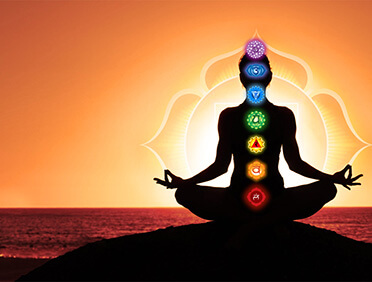
The word mantra is derived from two Sanskrit words—manas (mind) and tra (tool). Mantra literally means “a tool for the mind,” and was designed to help practitioners access a higher power and their true natures. Mantra meditation is method of meditation in which different mantras chanted. Various religion and spiritual seekers like Hinduism, Buddhism, Tantra and Yoga utter mantra. Mantra Meditation is a complete science which engage the mind through focusing on sound, duration and number of repetitions.
Mantra can be chanted in three different ways: i) Aloud ii) Whisper iii) Mental. Beginners can start mantra meditation from a loud sound utterance. Intermediate practitioners can make utterance in whispering sound which in advance level is chanted mentally without sound. Mantra meditation is very powerful practice because it help to increase self-awareness and release the hidden mental conflicts from subconscious mind.
Studies have shown that meditation produces a relaxation response. This is because the nerves that control physiological changes, such as a slowing of the heart and respiratory rates as well as a lowering of blood pressure, are activated during meditation.
Let’s Practice Mantra Meditation
-
Know the temperament of mantra and chant.
-
Slowly repeat the mantra with intention.
-
Be aware of the meaning of mantra.
-
Each syllable of mantras shall vibrate and resonate in you.
Guidance for Mantra Meditation
Step 1
Select a favorite word, phrase, prayer, a mantra is composed of only a few words or syllables, so you can repeat it easily. Choose such a mantra which can uplift your energy level engage in deep awareness.
Step 2
Sit comfortably in a chair or on the floor, supporting your posture a cushion. Making body aligned with the natural curves of the spine and relaxed, to get steadiness and stillness. Close your eyes and lips, take a few slow, long deep breaths or few minutes, then relax your breath completely.
Step 3
Repeat your mantra slowly and steadily, concentrating on sound. Repeat it in unison with the natural rhythm of your breath. Either split it so you repeat half the mantra when you inhale and the other half when you exhale, or repeat it on both the inhalation and the exhalation.
Step 4
After about 10 recitations, repeat the mantra silently by moving only your lips. Then, after another 10 repetitions, recite it mentally without moving your lips.
Step 5
As thoughts arise, simply return to the mantra, knowing this is a natural part of the process. Gently bring your attention back again and again, experiencing the internal sound as fully as possible.
Step 6
Continue for the period of time you set aside for meditation. Come out of the meditation by taking a few deep breaths and then sitting quietly to see what you feel. You may feel calm and centered. Or you may be flooded with old thoughts and feelings from your subconscious, which might be uncomfortable.
Benefit of Mantra Meditation
-
Remedies Stress And Anxiety: Mantra meditation triggers the relaxation response, reducing the production of stress hormones like cortisol. This leads to a decrease in overall stress levels and promotes a sense of calm and tranquility.
-
Augments Heart Health: Regular mantra meditation can improve heart rate variability, a marker of heart health, and reduce the risk of heart-related issues. It has been also associated with lower blood pressure, which is beneficial for heart health and reduces the risk of cardiovascular diseases.
-
Improves Immune Functions: Mantra meditation supports a robust immune system by reducing stress and inflammation in the body. It can enhance the activity of natural killer cells and improve immune system functioning, helping the body defend against infections and illnesses.
-
Uplifts Gastrointestinal Health: The calming effects of mantra meditation can also benefit the digestive system by promoting better digestion and reducing stress-related digestive issues like irritable bowel syndrome (IBS).
-
Promotes Respiratory Benefits: The deep, controlled, rhythmic breathing associated with mantra meditation promotes deep and conscious breathing, which can improve lung capacity and respiratory function, leading to better oxygenation of the body’s tissues.
-
Enhanced Brain Activity: Studies have shown that mantra meditation can positively affect brain regions associated with attention, memory, and emotional regulation, leading to improved cognitive function.
-
Slows Aging Process: Some studies suggest that meditation may slow down the ageing process at the cellular level, potentially extending the health span and promoting overall longevity.
-
Mitigates Pain: Regular mantra meditation can increase the release of endorphins, which are natural pain-relieving chemicals produced by the body. This may help individuals manage chronic pain and discomfort more effectively.
-
Cures Insomnia: Consistent mantra meditation has been linked to balanced hormonal levels, including the reduction of stress-related hormone, cortisol. Regular mantra meditation can improve sleep quality and reduce insomnia, leading to more restful and rejuvenating sleep.
-
Relaxes Muscles: Mantra meditation induces relaxation responses in the body, leading to reduced muscle tension and relief from physical discomfort.